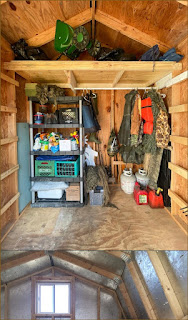
Easy DIY Outdoor Shed Steps with Handrails

Constructing Durable and Safe Outdoor Shed Steps with Handrails: A Comprehensive DIY Guide

Accessing elevated outdoor structures, such as sheds, often necessitates the construction of safe and stable steps. This comprehensive guide provides a detailed, step-by-step approach to building durable outdoor shed steps incorporating handrails for enhanced safety and accessibility. The project, while involving some basic carpentry skills, is achievable for moderately skilled DIY enthusiasts with readily available materials.

Planning and Design Considerations

Before commencing construction, meticulous planning is crucial to ensure the project's success and longevity. Several key aspects warrant careful consideration:

1. Determining Dimensions and Rise/Run Ratio:

Accurate measurement of the height difference between the ground and the shed floor is paramount. This dictates the number of steps required. The optimal rise (vertical height of each step) and run (horizontal depth of each step) should adhere to established building codes and safety standards. A standard rise of 6-8 inches and a run of 10-12 inches are generally recommended for comfortable and safe ascent and descent. Consistent rise and run throughout the staircase is essential for preventing tripping hazards.

2. Material Selection:

The choice of materials significantly impacts the durability and aesthetics of the steps. Pressure-treated lumber is highly recommended for outdoor applications due to its resistance to rot, decay, and insect infestation. For handrails, consider using similarly treated lumber or durable metal piping for enhanced strength and longevity. Consider the overall aesthetic of your property when selecting the color and finish of the materials.

3. Site Preparation:

Proper site preparation is vital for a stable and level staircase. The ground beneath the steps must be level and compacted to prevent settling and potential structural damage. This may involve excavation and the addition of a gravel base for enhanced drainage and stability. Consider the surrounding landscape and ensure sufficient clearance around the stairs to allow for comfortable access.

4. Handrail Design and Placement:

Handrails are crucial for safety, particularly for older individuals or those with mobility limitations. They should be placed on both sides of the staircase, adhering to building codes regarding height and spacing. A standard handrail height is approximately 34-38 inches from the step surface. Ensure the handrails are securely attached to the supporting posts and stringers for optimal stability.

Materials and Tools Required

The following materials and tools are necessary for the successful completion of this project:

Materials:

  • Pressure-treated lumber (for stringers, steps, and handrails)
  • Concrete mix (for setting posts)
  • Gravel (for base preparation)
  • Wood screws (exterior-grade)
  • Exterior wood glue
  • Wood stain or sealant (optional)
  • Metal posts or wood posts for handrail support
  • Metal brackets for handrail attachment (optional)
  • Tools:

  • Measuring tape
  • Level
  • Circular saw or hand saw
  • Drill with various drill bits
  • Screwdriver bits
  • Shovel
  • Post hole digger (if using wood posts)
  • Safety glasses
  • Work gloves
  • Clamps
  • Spirit level
  • Step-by-Step Construction Process

    This section outlines the step-by-step process of building the outdoor shed steps with handrails:

    1. Foundation Preparation:

    Begin by preparing the ground. Excavate the area to accommodate the gravel base and the concrete footings for the support posts (if using wood posts). Add a layer of compacted gravel for drainage and stability. For concrete footings, create small holes and carefully place the posts, ensuring they are plumb and level. Allow the concrete to cure completely before proceeding.

    2. Stringer Construction:

    The stringers provide the structural support for the steps. Using the calculated rise and run dimensions, carefully mark the locations for the step cuts on the pressure-treated lumber. Utilize a circular saw or hand saw to create accurate cuts. Ensure the cuts are precisely made to maintain consistent step depth and height.

    3. Step Installation:

    Once the stringers are complete, securely attach the steps using exterior-grade wood screws and wood glue. Ensure the steps are level and firmly attached to the stringers. Pre-drill holes to prevent splitting the lumber. Check for levelness and stability at each step throughout the process.

    4. Handrail Installation:

    Install the handrail posts (wood or metal) in the ground using concrete or other suitable methods. Ensure these posts are plumb and securely fixed. Attach the handrails to the posts using appropriate fasteners, such as brackets or screws. Ensure that the handrails are securely attached and firmly fixed to the posts, providing consistent support along the entire length of the stairs.

    5. Finishing Touches:

    Once the steps and handrails are installed, inspect the entire structure for stability and safety. Apply a wood stain or sealant to protect the lumber from the elements and enhance its longevity. Regularly inspect the steps and handrails for any signs of wear and tear and undertake necessary maintenance to maintain their structural integrity and safety.

    Safety Precautions

    Safety should be paramount throughout the construction process. Always wear appropriate safety gear, including safety glasses and work gloves. Use caution when operating power tools and follow all manufacturer instructions. Ensure that the steps are firmly secured before use to prevent accidents. Regularly inspect the structure for any signs of damage or wear and tear.

    By following these detailed instructions, you can successfully construct durable and safe outdoor shed steps with handrails, enhancing both accessibility and aesthetic appeal of your property. Remember, adhering to building codes and safety standards is crucial for ensuring a safe and long-lasting structure.

    Share:

    Rustic DIY Outdoor Steps for Shed Projects

    Rustic DIY Outdoor Steps for Your Shed: A Step-by-Step Guide

    So, you've finally built that amazing shed, the pride of your backyard. But getting in and out is proving…challenging? A rickety plank? A precarious climb? Time to build some proper steps! And not just any steps, but rustic steps that fit perfectly with your shed’s charm and the natural surroundings. This guide will walk you through building your own sturdy, beautiful, and surprisingly simple outdoor steps. Get ready to get your hands dirty (in a good way!)

    Planning Your Rustic Masterpiece

    Before you grab your tools, let's get organized. Planning is key to a successful project, especially when working with wood. You don't want to halfway through realize you're short on lumber or the steps are going to be too steep!

    Measuring Up: Getting the Dimensions Right

    Grab your trusty measuring tape and head to your shed. First, measure the height difference between the ground and your shed's floor. This will determine the overall rise of your steps. Then, decide on the desired width of your steps. Wider is generally better for safety and comfort, but consider the space you have available. Finally, decide on your riser height (the vertical height of each step) and your tread depth (the horizontal depth of each step). A good rule of thumb is a 7-inch riser and an 11-inch tread, but adjust based on your overall height and comfort level. Remember, the more steps, the gentler the incline will be.

    Choosing Your Materials: Wood Wisely

    For a rustic look, consider using reclaimed wood, cedar, or redwood. These woods are naturally durable and weather-resistant, perfect for outdoor use. If using reclaimed wood, carefully inspect each piece for rot or significant damage before incorporating it into your project. Cedar and redwood will require less maintenance but will cost a bit more initially. Don't forget to factor in the cost of screws, concrete (if needed for your foundation), and any finishing oils or sealants you'll use.

    Sketching Your Design: Putting it on Paper

    It might sound old-fashioned, but sketching out your plan is invaluable. Draw a simple side view of your steps, including the dimensions you've calculated. This will help you visualize the finished product and ensure everything is proportionate. You can also use online step calculator tools to help with the design process, as they can give you precise measurements for optimal safety and comfort.

    Building Your Rustic Steps: Hands-On Time!

    Now for the fun part! Gather your tools, put on your work gloves, and let's get building.

    Laying the Foundation: A Solid Start

    If your ground is soft or uneven, you'll need to create a solid foundation. Dig a shallow trench where your steps will sit, roughly 6 inches deep. Fill the trench with gravel, compacting it well to create a level base. This will prevent the steps from settling over time. For extra stability, consider pouring a concrete base.

    Creating the Steps: Timber Teamwork

    Start by cutting your lumber to the dimensions you've calculated for the risers and treads. Remember to account for the thickness of your lumber when making your cuts. You can use a circular saw or a hand saw depending on your skill and preference. For a rustic charm, leave the edges slightly rough â€" it adds character! You will likely need different wood pieces for the stringers (the angled support pieces) to create the risers and treads.

    Assembling the Frame: Putting it All Together

    Once all your pieces are cut, carefully assemble the frame of your steps. This usually involves attaching the treads to the stringers. Use exterior-grade screws to ensure a strong and durable connection. Pre-drilling pilot holes is highly recommended to prevent the wood from splitting.

    Finishing Touches: Adding the Rustic Charm

    Once the frame is assembled, you can add any finishing touches you desire. Sand down any rough edges, carefully fill any gaps with wood filler, and then apply a weather-resistant sealant or stain to protect the wood from the elements. Consider using a sealant that complements the natural look of your wood. For extra charm, you could add decorative elements like small rocks, pebbles, or even some rustic metal accents.

    Securing the Steps: Safety First!

    Before you start celebrating, ensure your steps are firmly attached to the ground. Use landscaping screws or metal brackets to secure the steps to the concrete base or compacted gravel. This crucial step prevents the steps from shifting or moving. Double-check all connections to ensure everything is sturdy and safe before use.

    Maintenance and Care: Keeping Your Steps Stunning

    With a little regular maintenance, your rustic steps will stay looking beautiful for years to come.

    Cleaning: A Quick Wipe-Down

    Regularly sweep or brush off dirt, leaves, and debris from the steps. For more stubborn stains, a gentle cleaning with soap and water will usually do the trick. Avoid using harsh chemicals that could damage the wood.

    Inspecting for Damage: Catching Problems Early

    Periodically inspect the steps for any signs of damage, such as loose screws, cracked wood, or rot. Addressing these issues promptly will prevent further problems and ensure the longevity of your steps.

    Re-Sealing: Protection from the Elements

    Depending on the type of sealant you used, you may need to re-seal your steps every few years to maintain their protection against the elements. Following the manufacturer's instructions for your specific sealant will ensure the best results.

    Commonly Asked Questions

    Here are some questions people frequently ask about building rustic outdoor steps:

    • Q: Can I use pressure-treated lumber? A: Yes, pressure-treated lumber is a durable option, but it's often less aesthetically pleasing than natural wood. If you use pressure-treated lumber, make sure it's specifically designed for ground contact.
    • Q: How long does it take to build these steps? A: The construction time depends on your skill level and the complexity of your design. Expect to spend anywhere from a few hours to a full weekend.
    • Q: How much does this project cost? A: The cost will vary depending on the materials you choose and the size of your steps. Expect to spend anywhere from $100 to $500.
    • Q: Do I need any special tools? A: You'll need basic woodworking tools, such as a measuring tape, saw (circular saw or hand saw), drill, screwdriver, and safety glasses.
    • Q: What if my ground is extremely uneven? A: For extremely uneven ground, it’s best to consult a professional landscaper. They can help you level the ground properly before you begin building your steps.
    • Q: Can I use different types of wood for the risers and treads? A: While you can, it's best to use the same type of wood for consistency and to ensure the steps age and weather similarly. Using different types of wood could lead to issues with expansion and contraction.

    Building rustic outdoor steps for your shed is a rewarding project that adds both functionality and charm to your outdoor space. With a little planning and effort, you can create a beautiful and lasting addition to your property!

    Share:

    Custom Outdoor Shed Steps for Easy Access

    Custom Outdoor Shed Steps for Easy and Safe Access

    The humble garden shed, often overlooked in the grand scheme of landscaping, plays a vital role in maintaining order and organization within a property. However, the accessibility of these structures is frequently neglected, leading to potential hazards and inconvenience. Elevated sheds, while offering advantages such as increased ventilation and protection from ground moisture, present a challenge: the need for safe and convenient access. This necessitates the construction of custom outdoor shed steps, a project that, while requiring planning and execution, ultimately enhances both practicality and aesthetics.

    Designing for Safety and Aesthetics

    Before embarking on the construction of custom shed steps, careful consideration must be given to several critical factors. These include safety regulations, aesthetic integration with the existing landscape, and the specific requirements dictated by the shed's height and location. A poorly designed staircase can lead to slips, trips, and falls, negating the very purpose of improving access.

    Safety Regulations and Best Practices

    Adherence to relevant building codes and safety regulations is paramount. This includes, but is not limited to, considerations concerning:

    • Rise and Run: The ideal rise (vertical height of each step) and run (horizontal depth of each step) should maintain a consistent ratio for a comfortable and safe ascent. A common recommendation is a 6-inch rise and an 11-inch run, although this may vary depending on individual preferences and local building codes.
    • Handrails: For staircases exceeding three steps, handrails are essential for added safety and support. Handrails should be securely fastened and positioned at a comfortable height, typically around 34-38 inches from the ground.
    • Treads and Risers: Treads (horizontal surfaces of the steps) should be wide enough to accommodate a comfortable foot placement, typically at least 11 inches. Risers (vertical faces of the steps) should be uniform in height to avoid tripping hazards.
    • Materials: The selection of materials should prioritize durability, weather resistance, and slip resistance. Pressure-treated lumber, composite decking, and stone are common choices, each with its own advantages and disadvantages.
    • Lighting: Adequate lighting is crucial, especially for nighttime access. Consider incorporating pathway lighting or strategically placed outdoor lights to enhance visibility and prevent accidents.

    Aesthetics and Landscaping Integration

    The design of the shed steps should complement the overall aesthetics of the property. The materials, style, and even the color should harmonize with the existing landscape and the shed itself. Consider these points:

    • Material Selection: Choose materials that aesthetically blend with the surrounding environment. If the shed is constructed from wood, wood steps would likely be a harmonious choice. For a more modern look, composite decking or stone might be preferable.
    • Step Style: Straight flights of stairs are the simplest and most common design, but curved or L-shaped staircases can be incorporated for more complex layouts and to add a touch of elegance.
    • Landscaping Integration: The steps should seamlessly integrate with the surrounding landscaping. Consider planting shrubs or flowers along the sides to soften the appearance and blend the staircase with the natural environment.

    Construction Techniques and Materials

    The construction process for custom shed steps involves several key stages, from planning and preparation to the final finishing touches. The specific techniques will vary depending on the chosen design and materials.

    Site Preparation and Foundation

    Before commencing construction, the site must be properly prepared. This involves leveling the ground, removing any vegetation or debris, and ensuring a stable foundation. For larger or more substantial staircases, a concrete foundation might be necessary to ensure longevity and stability. For smaller structures, compacted gravel can provide sufficient support.

    Framing and Construction

    The construction of the staircase framework typically involves cutting and assembling pressure-treated lumber according to the pre-determined design. Precise measurements and careful cutting are essential to ensure the steps are level and the staircase is structurally sound. Stringers (supporting beams) are crucial elements, providing the foundation for the treads and risers. These are typically cut with notches to accommodate the step components.

    Material Installation

    Once the framework is complete, the treads and risers are installed. This involves securely attaching the chosen materials to the stringers, ensuring a secure and level surface. If using wood, appropriate fasteners and weatherproofing techniques should be employed. For composite decking or stone, specific installation instructions from the manufacturer should be followed.

    Finishing Touches and Safety Features

    The final stage involves adding finishing touches such as handrails, safety features, and any landscaping elements. Handrails should be securely fastened and positioned correctly, providing adequate support. Adding non-slip materials to the treads can significantly enhance safety, particularly in wet or icy conditions. Landscaping elements such as plants, mulch, or edging can add a final touch of aesthetic appeal.

    Choosing the Right Materials

    The choice of materials significantly impacts both the durability and the aesthetic appeal of the shed steps. Several popular options exist, each possessing its unique properties:

    Pressure-Treated Lumber

    Pressure-treated lumber is a cost-effective and durable option. Its resistance to rot and insect damage makes it suitable for outdoor applications. However, regular maintenance, including staining or sealing, is required to preserve its appearance and extend its lifespan.

    Composite Decking

    Composite decking offers a low-maintenance alternative to wood. It is resistant to rot, insects, and fading, requiring minimal upkeep. However, it can be more expensive than pressure-treated lumber.

    Stone

    Stone steps provide a robust and aesthetically pleasing option, adding a touch of natural elegance to the landscape. Stone is extremely durable but can be challenging to install, requiring specialized tools and techniques.

    Conclusion

    Constructing custom outdoor shed steps represents a worthwhile investment, enhancing both the accessibility and the aesthetic appeal of the property. Careful planning, adherence to safety regulations, and the selection of appropriate materials are crucial factors ensuring a safe, durable, and visually pleasing addition to the landscape. By considering the design elements outlined in this article and employing appropriate construction techniques, homeowners can create a custom solution that seamlessly integrates with their existing outdoor space, thereby improving both functionality and curb appeal.

    Share:

    Easy DIY storage shed with loft designs

    Build Your Dream DIY Storage Shed with Loft: A Comprehensive Guide

    Tired of overflowing garages and cluttered yards? Dreaming of a neat and organized space for your tools, gardening equipment, or seasonal items? Then building your own DIY storage shed with a loft is the perfect solution! This comprehensive guide will walk you through the entire process, from planning and design to construction and finishing touches. You’ll discover how easy it is to create a functional and aesthetically pleasing structure that enhances your property and simplifies your life. Get ready to roll up your sleeves and unleash your inner builder!

    Planning Your Dream Shed: Size, Style, and Location

    Before you even pick up a hammer, careful planning is crucial. Start by determining the size of your shed. Consider your storage needs â€" how much space do you require for your belongings? A 8ft x 10ft shed might be perfect for basic storage, while a larger 12ft x 16ft shed allows for a more spacious interior and a comfortable loft area. Next, choose a style that complements your home and landscape. Think about the roofline â€" a gable roof offers more headroom in the loft, while a shed roof provides a simpler construction. Finally, select a location that’s accessible, level, and meets local building codes. Ensure you have enough clearance around the shed for future access and maintenance.

    Materials and Tools: Gathering Your Arsenal

    Building a sturdy and long-lasting shed requires the right materials. For the frame, pressure-treated lumber is a must for its durability and resistance to rot and insects. You'll need various sizes of lumber for the walls, roof, and floor framing. Choose exterior-grade plywood or OSB for sheathing. For roofing, consider asphalt shingles for their affordability and ease of installation. Don’t forget about fasteners like nails, screws, and lag bolts. Your tool list should include a circular saw, a drill, a level, a tape measure, a hammer, and safety glasses. Remember to obtain all necessary permits from your local authorities before starting construction.

    Essential Materials List:

    • Pressure-treated lumber (various sizes)
    • Exterior-grade plywood or OSB
    • Asphalt shingles
    • Nails, screws, and lag bolts
    • House wrap
    • Exterior paint or stain
    • Door and window frames

    Construction: Building Your Shed Step-by-Step

    Start by creating a level foundation using concrete blocks or a poured concrete slab. Then, build the floor frame and sheathe it with plywood. Next, erect the walls, ensuring they are plumb and square. Construct the roof trusses and attach them securely to the top plates of the walls. Sheathe the roof with plywood or OSB and then install the roofing material. Add the doors and windows for easy access and ventilation. Now you're ready to focus on the loft!

    Building the Loft:

    The loft construction is similar to building a small room. You'll need to construct a sturdy frame to support the loft floor. This often involves installing support beams between the walls and possibly adding extra support posts in the center for larger lofts. Ensure you have sufficient headroom before installing the loft floor. Using sturdy lumber is essential for safety. Finally, install railings for safety and access.

    Finishing Touches: Adding the Personal Flair

    Once the structure is complete, add the finishing touches to personalize your shed. Apply exterior paint or stain to protect the wood and enhance the aesthetics. You might want to add a lock to secure your belongings. Consider adding shelves, cabinets, or hooks inside for better organization. Installing lighting inside will enhance both functionality and safety. You may also want to add insulation to help regulate the temperature inside the shed.

    Building a DIY storage shed with a loft is a rewarding project that significantly improves your property's functionality and aesthetic appeal. With careful planning, the right tools, and these step-by-step instructions, you can create a space you'll enjoy for years to come. So, gather your materials, put on your safety glasses, and start building your dream shed!

    Share:

    How to Design and Build a Pallet Shed with These Free PDF Plans

    How to Design and Build a Pallet Shed with These Free PDF Plans

    Constructing Your Dream Pallet Shed: A Step-by-Step Guide Using Free PDF Plans

    Dreaming of a charming, functional shed without breaking the bank? This guide shows you how to transform free PDF pallet shed plans into a reality. We'll walk you through each stage, from selecting the perfect plans to enjoying your finished structure. Get ready to build your own rustic haven!

    Choosing Your Free PDF Pallet Shed Plans

    The internet offers a wealth of free pallet shed plans. However, careful selection is crucial. Start by searching for “free pallet shed plans PDF” on your favorite search engine. Look for plans with detailed diagrams, clear instructions, and a materials list. Consider the shed's intended purpose; do you need ample storage, a workshop space, or a simple tool shed? Choose plans that align with your needs and skill level. Pay close attention to the dimensions; ensure the shed fits comfortably within your designated area. Don't hesitate to compare several sets of plans before making your decision. A well-organized and easy-to-understand set of plans will significantly ease your construction process.

    Gathering Your Materials and Tools

    With your plans finalized, it’s time to gather the necessary materials and tools. Pallet selection is key. Inspect pallets carefully for rot, damage, or pest infestation. Prioritize sturdy, undamaged pallets made from pressure-treated lumber for longevity. Beyond pallets, you'll need additional lumber for structural reinforcement, roofing materials (consider metal roofing for durability), fasteners (nails, screws, or a combination), and any desired finishing touches like paint or stain. Your tool kit should include a hammer, saw (circular saw recommended for efficiency), measuring tape, level, drill, safety glasses, and work gloves. Investing in a quality power drill will save significant time and effort during assembly.

    Essential Materials List (Check your specific plan for variations):

    • Recovered pallets (number varies depending on plan)
    • Additional lumber for supports and framing
    • Roofing materials (metal, shingles, etc.)
    • Nails, screws, and other fasteners
    • Paint or stain (optional)

    Constructing Your Pallet Shed: A Step-by-Step Approach

    Follow the PDF plan meticulously, one step at a time. Begin by preparing the groundâ€"leveling the area and potentially creating a foundation (depending on the plan). Next, assemble the shed's base according to the instructions. This usually involves securing the pallets together to create a sturdy foundation. Carefully erect the walls, ensuring proper alignment and support using the supplemental lumber for reinforcement where needed. Install the roof frame and then the roofing material itself. Pay close attention to the details and use the level frequently to maintain squareness throughout the construction. Remember, accuracy in each step ensures a stable and long-lasting structure.

    Finishing Touches and Final Inspection

    Once the main structure is complete, add any desired finishing touches. This might include painting or staining the wood for protection and aesthetics. You might also want to add doors and windows, following the instructions in your plans. After completing the assembly, thoroughly inspect the entire shed, checking for any loose parts or potential safety hazards. Ensure all connections are secure and the roof is weatherproof. Your new pallet shed is now ready to be enjoyed! Remember that proper maintenance will extend its lifespan.

    Safety First!

    Safety should always be your top priority. Wear safety glasses and gloves at all times. Use caution when operating power tools, and ensure proper ventilation when working with paint or stain. If you're unsure about any aspect of the construction, consult a professional. Building a pallet shed is a rewarding project, but safety should never be compromised.

    Share:

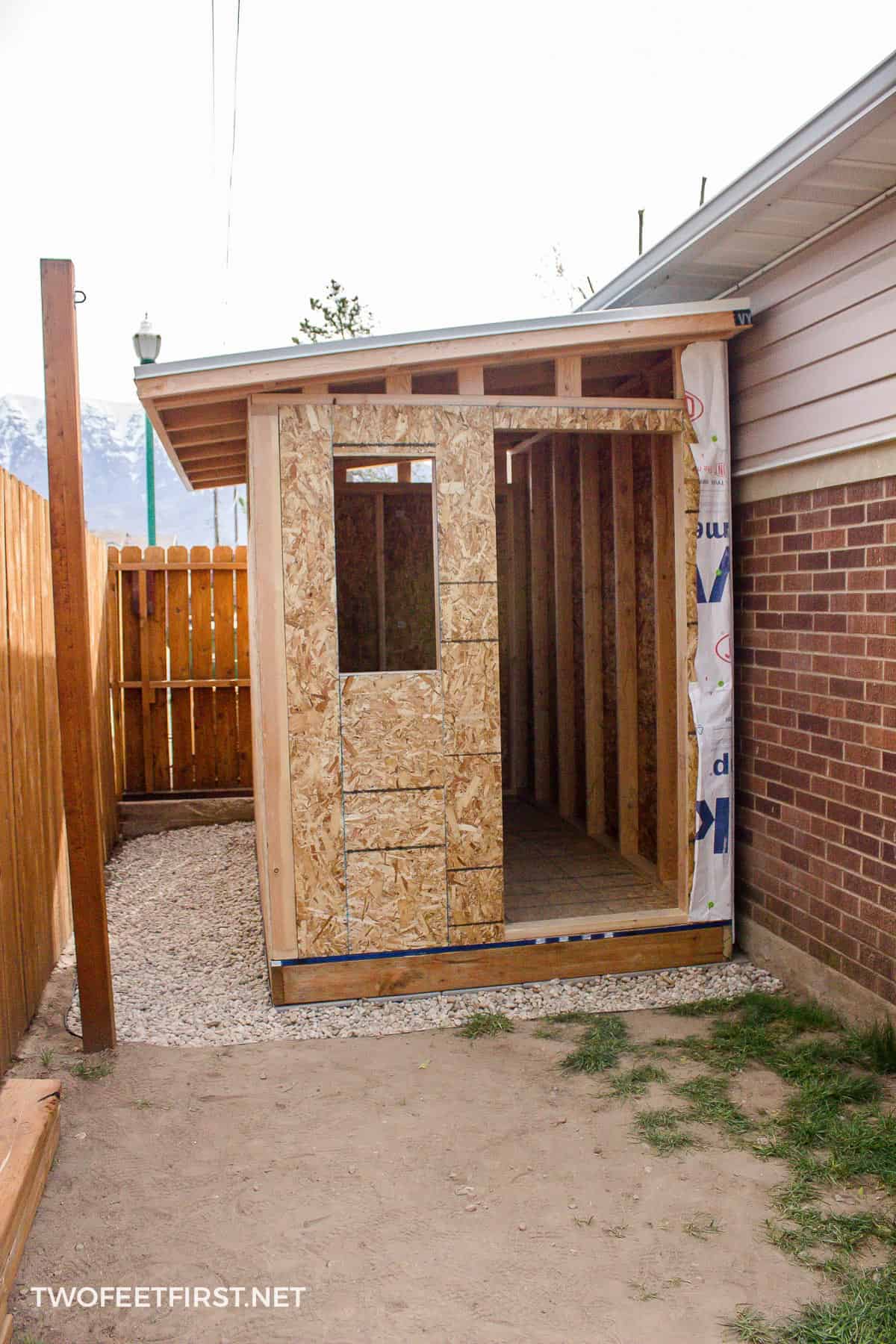
    How to Build a DIY Lean-To Shed in a Weekend (or Less!)

    How to Build a DIY Lean-To Shed in a Weekend (or Less!)

    Conquer Your Clutter: Build a Lean-To Shed in a Weekend!

    Dreaming of extra storage space but dreading the expense and hassle of a professional build? Forget those worries! This guide empowers you to construct a sturdy and practical lean-to shed in a weekend, or even less, depending on your skill level and available help. We'll break down the process into manageable steps, using readily available materials, and providing tips for a successful, DIY project. Prepare to conquer your clutter and reclaim your yard!

    Planning Your Lean-To Shed: Size and Site Selection

    Before grabbing your tools, meticulously plan your shed. Determine the ideal size based on your storage needs. Consider the dimensions of the items you'll be storing â€" bikes, gardening tools, outdoor furniture, etc. â€" and add a little extra space for maneuvering. Next, choose the location carefully. Select a level area with good drainage to avoid foundation issues. Check for overhead obstructions (power lines, trees) and ensure you have enough clearance from property lines and other structures. Consider sun exposure; a south-facing lean-to will benefit from more natural light.

    Essential Materials List:

    Before you start, gather all your materials. This saves time and frustration! Your list will vary based on your shed's size and desired features, but generally includes:

    • Pressure-treated lumber (4x4 posts for the base, 2x4s for the frame, and plywood or corrugated metal for the roof and walls)
    • Concrete for the foundation (or use alternatives like pavers or gravel depending on your local climate and ground conditions)
    • Roofing felt or underlayment
    • Roofing material (shingles, metal roofing, or even durable plastic sheeting)
    • Nails, screws, and a level
    • Post hole diggers (or a shovel for softer ground)
    • Measuring tape, saw, hammer, drill, and other basic carpentry tools

    Foundation and Framing: The Sturdy Base

    A solid foundation is critical. Dig post holes approximately 2-3 feet deep, ensuring they're perfectly plumb (vertical). Set your 4x4 posts into the holes, fill with concrete, and let it set completely. This step can be done a day before the main build for a quicker turnaround. Once the concrete is dry, construct the frame using 2x4s, attaching them securely to the posts to form the walls and roofline of your lean-to. Maintain consistent measurements and use a level throughout.

    Roofing and Siding: Weather Protection

    Lay down roofing felt or underlayment to create a waterproof barrier under your chosen roofing material. This prevents leaks and extends the life of your shed. Then, carefully install your roofing material (shingles, metal, etc.), overlapping to ensure complete coverage. Finally, attach your chosen siding material (plywood, corrugated metal, etc.) to the frame. Consider adding a simple door for access. If using plywood, remember to treat it with a weather-resistant sealant to improve durability.

    Finishing Touches and Essential Safety Precautions

    Add any finishing touches, such as trim or paint. A fresh coat of paint protects your shed and adds curb appeal! Always prioritize safety. Wear appropriate safety gear, including safety glasses, gloves, and sturdy work boots. Be mindful of falling debris while working on the roof. Use appropriate safety harnesses if working at height. Ensure all tools are correctly maintained and used following instructions.

    Building a lean-to shed is a rewarding project that boosts your DIY skills and provides invaluable additional storage space. With careful planning and attention to detail, you can create a functional and attractive structure that enhances your property â€" all within a weekend!

    Share:

    How to Create a Pallet Shed DIY: Simple Materials, Big Results

    How to Create a Pallet Shed DIY: Simple Materials, Big Results

    How to Create a Pallet Shed DIY: Simple Materials, Big Results

    Constructing a functional and aesthetically pleasing shed from repurposed pallets presents a cost-effective and environmentally conscious alternative to purchasing a pre-fabricated structure. This detailed guide will equip you with the knowledge and steps necessary to successfully undertake this DIY project, transforming readily available materials into a valuable addition to your property.

    Phase 1: Planning and Preparation

    Before embarking on the construction process, meticulous planning is crucial to ensure the project's success. This initial phase encompasses several key steps, each contributing significantly to the overall outcome.

    Site Selection and Assessment

    The first step involves selecting a suitable location for your pallet shed. Consider factors such as: proximity to existing utilities (electricity, water), accessibility for material delivery and construction, ground conditions (levelness, drainage), and compliance with local building regulations and zoning laws. Proper site preparation, including leveling the ground and ensuring adequate drainage, is essential for a stable and long-lasting structure. A level site prevents future settling and potential structural problems.

    Material Acquisition and Inspection

    Sourcing pallets requires careful consideration. Prioritize pallets made from durable, untreated wood, as these offer better resistance to the elements. Inspect each pallet for damage, rot, or infestation. Discard any showing signs of significant deterioration. Determine the quantity required based on your desired shed dimensions. A thorough inspection at this stage significantly reduces potential issues during construction.

    Design and Dimensioning

    Develop a detailed plan outlining the shed's dimensions, including height, width, and depth. Consider factors such as intended use and the amount of storage space required. Sketching a basic design, including door and window placement, provides a visual guide throughout the construction process. Accurate measurements are paramount for ensuring structural integrity and a well-fitting structure.

    Tool and Equipment Gathering

    Assemble the necessary tools and equipment before commencing construction. This list may include, but is not limited to:

    • Measuring tape and level
    • Hammer and pry bar
    • Circular saw or hand saw
    • Drill and assorted drill bits
    • Screwdriver (or impact driver)
    • Safety glasses and work gloves
    • Shovel (for ground preparation)
    • Post hole digger (if using posts for support)
    • Concrete mix (if using concrete footings)
    • Wood sealant or preservative

    Ensure all tools are in good working order and safety equipment is worn at all times.

    Phase 2: Construction

    The construction phase involves assembling the pallet components into a complete shed structure. Careful attention to detail and adherence to the established plan are crucial for a structurally sound and aesthetically pleasing result.

    Foundation Preparation

    Begin by preparing a level foundation. This could involve creating a simple gravel base, a concrete slab, or using pressure-treated lumber for a raised foundation. The chosen foundation method depends on the soil conditions and the desired shed's permanence.

    Pallet Disassembly and Preparation

    Carefully disassemble the pallets, removing any loose or damaged components. Clean the reclaimed wood, removing any dirt, debris, or nails that might compromise structural integrity. Sort and organize the reclaimed wood by length and condition for efficient construction.

    Framing and Wall Construction

    Construct the shed's frame using the prepared pallets. This might involve creating a simple rectangular structure, possibly incorporating additional framing for added strength and stability. Secure the pallets using appropriate fasteners, ensuring alignment and even spacing. Consider using metal corner brackets for additional reinforcement at joints.

    Roof Construction

    The roof construction is a crucial aspect of the shed's weather resistance. Simple designs utilize a gable or shed roof. Ensure proper overlap for waterproofing. Secure the roofing material (e.g., tarps, corrugated metal, asphalt shingles) according to the manufacturer's instructions. Adequate slope is crucial for water runoff.

    Door and Window Installation

    Install a door and window (if desired), ensuring secure fastenings and proper weather sealing. Consider using recycled materials or repurposed windows and doors whenever possible to maintain the project's sustainable nature. A properly fitted door is vital for security and weather protection.

    Phase 3: Finishing Touches and Maintenance

    Once the core structure is complete, the final phase focuses on refining the shed's aesthetics and ensuring its longevity.

    Exterior Finishing

    Apply a suitable wood sealant or preservative to protect the wood from the elements and extend its lifespan. This step significantly enhances the shed's durability and weather resistance. Choose a sealant compatible with the type of wood used in construction.

    Interior Finishing

    Optional interior finishing might involve painting the interior walls or adding shelves and other organizational features. Consider using environmentally friendly paints and finishes whenever possible.

    Ongoing Maintenance

    Regular inspection and maintenance are vital for extending the lifespan of your pallet shed. This includes checking for signs of damage, repainting as needed, and addressing any structural issues promptly. Regular cleaning and maintenance significantly prolong the shed’s service life.

    Building a pallet shed is a rewarding project that combines practicality, sustainability, and creativity. By following these guidelines, you can transform readily available materials into a functional and aesthetically pleasing addition to your property. Remember safety is paramount throughout the entire process; always wear appropriate safety gear and follow all relevant safety regulations.

    Share:

    Postingan Populer

    Powered by Blogger.

    Recent Posts